

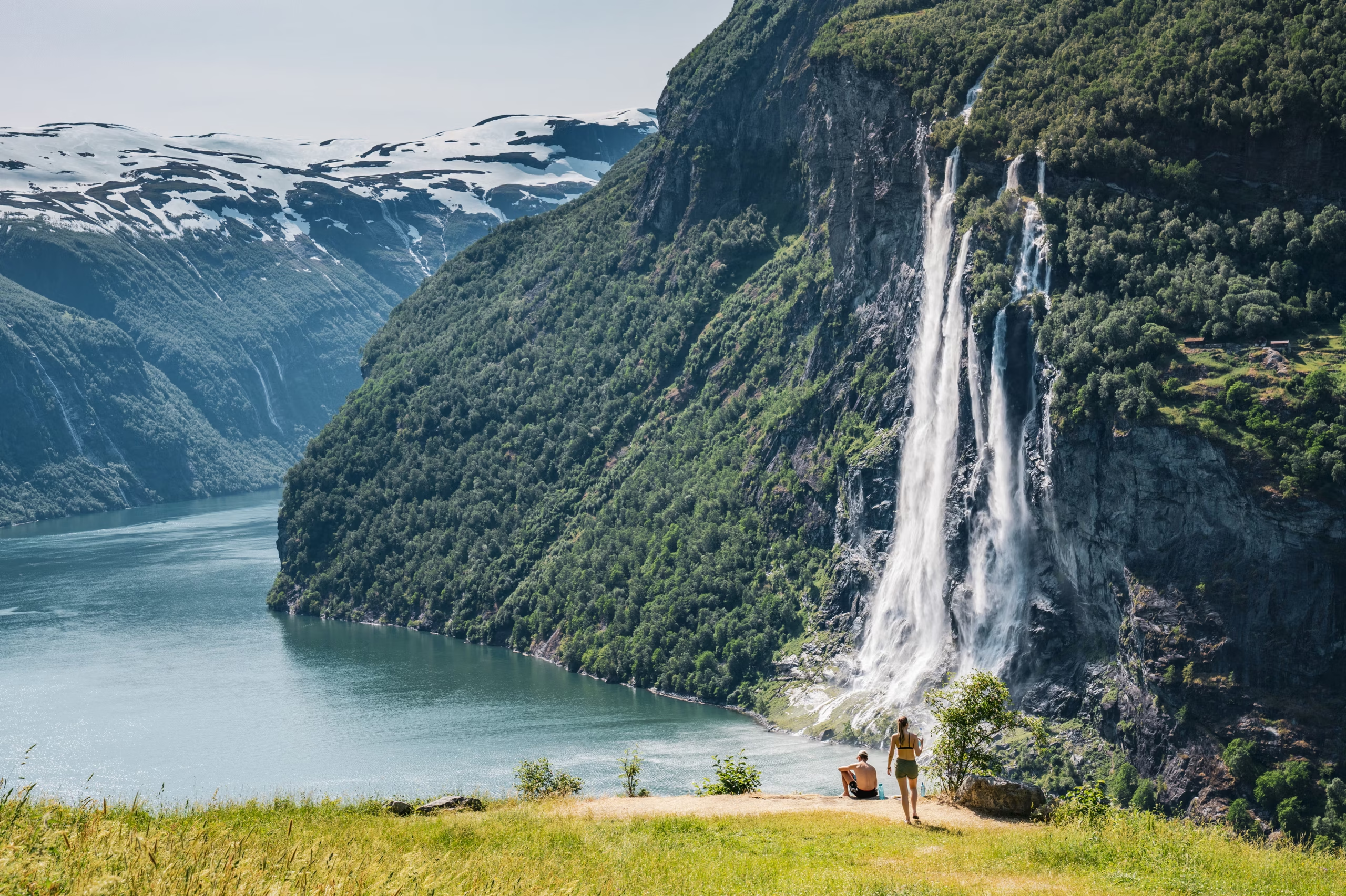
Norway is famous for its stunning landscapes, deep forests, and abundant wildlife. However, building roads and railways through these natural habitats creates a dangerous intersection between humans and animals. Every year, thousands of moose, red deer, and roe deer are injured or killed in traffic accidents across the country.
In Norway’s infrastructure, the entity historically known as the Viltnemnda serves as the primary line of defense for animal welfare and public safety. Understanding how this service works is essential for anyone driving on Norwegian roads.
The History: From State Board to Municipal Action
The term viltnemnd traditionally refers to a local wildlife board or game committee. Originally, these were formal, state-regulated public organs established under Norwegian law. Their job was to manage local hunting quotas, wildlife populations, and habitat conservation.
A major administrative change occurred in 1993. The central government dissolved the traditional state-mandated wildlife boards. They transferred the direct responsibility of wildlife management to the individual municipalities (kommuner).
Despite this official change over three decades ago, the word “viltnemnda” is still widely used by the public today. When people use the term now, they are usually talking about the municipal fallviltgruppe (fallen wildlife group) or ettersøkskorps (search and tracking squad). These modern teams consist of certified local hunters and dog handlers who are on call to handle wildlife emergencies.
Core Duties of Modern Wildlife Groups
Modern wildlife groups operate under strict national laws, primarily the Norwegian Wildlife Act (Viltloven). Their daily work focuses on three main areas:
- Emergency Tracking (Ettersøk): This is their most urgent task. When an animal is hit by a car or train, it rarely dies instantly. Adrenaline often drives the wounded animal deep into the forest. The tracking squad uses specially trained dogs (ettersøkshunder) to follow the scent and blood trails. Their main goal is to find the suffering animal quickly and end its pain humanely.
- Disease Monitoring and Removal: If an animal dies of natural causes, starvation, or disease near public areas, these teams safely remove the carcass. They also collect biological samples from dead animals. This data helps national veterinary institutes monitor dangerous wildlife diseases, such as Chronic Wasting Disease (CWD).
- Managing Urban Wildlife: As cities expand, wild animals often wander into neighborhoods. The viltnemnd advises local councils on wildlife fencing and migration corridors. They also step in when a specific animal becomes a safety threat, like an aggressive moose trapped in a suburban schoolyard.
The Legal Duty to Report a Collision
In Norway, hitting a wild animal with your vehicle is considered an accident, not a crime. However, failing to report the accident is a serious criminal offense.
Under the Animal Welfare Act (Dyrevelferdsloven), drivers have a strict duty to report (varslingsplikt) any collision with wildlife. Leaving an injured animal to suffer in the woods can lead to heavy fines, the loss of your driver’s license, or prison time.
Step-by-Step Emergency Protocol
If you are involved in a wildlife collision, you must follow these four steps immediately:
- Secure the Scene: Turn on your hazard lights. Park your car safely, put on a high-visibility reflective vest, and place your warning triangle down the road to alert other drivers.
- Call the Police: Dial the national police non-emergency number at 02800 (or emergency services at 112 if humans are hurt). The police operator will immediately contact the local municipality’s active fallvilt group.
- Mark the Spot: This is a critical step. Clearly mark the exact location where the animal was hit and note the direction it ran into the woods. You can tie a plastic bag, a ribbon, or a piece of cloth to a guardrail or tree branch. This gives the tracking dog a precise starting point.
- Do Not Follow the Animal: Never try to track or approach a wounded animal yourself. A hurt moose or deer is highly stressed, unpredictable, and dangerous. If you follow it, you will frighten it further away and ruin the scent trail for the professional tracking dogs.
How the System Operates Across Norway
Because wildlife management is handled locally, the organization and response times can vary depending on where you are among Norway’s municipalities.
In large, rural areas with heavy forests—such as the Innlandet or Trøndelag regions—the fallvilt groups are highly organized. They often run 24-hour shift schedules with dedicated emergency vehicles. In smaller or more urban municipalities, the system relies on a smaller network of local hunters who handle these emergencies alongside their regular jobs.
Funding for these groups comes from municipal budgets. It is often supported by regional wildlife funds raised through local hunting license fees. This local setup ensures that the responders have intimate knowledge of the local terrain, roads, and wildlife patterns.
Conclusion
The evolution of the Viltnemnda from a bureaucratic state office into highly responsive, local municipal teams shows Norway’s practical approach to conservation. By connecting local hunters, municipal authorities, and everyday drivers, these groups protect people on the roads and ensure that injured animals are treated humanely. For both locals and tourists, understanding the role of the viltnemnd is a fundamental part of sharing the Norwegian wilderness responsibly.













Leave a Reply