

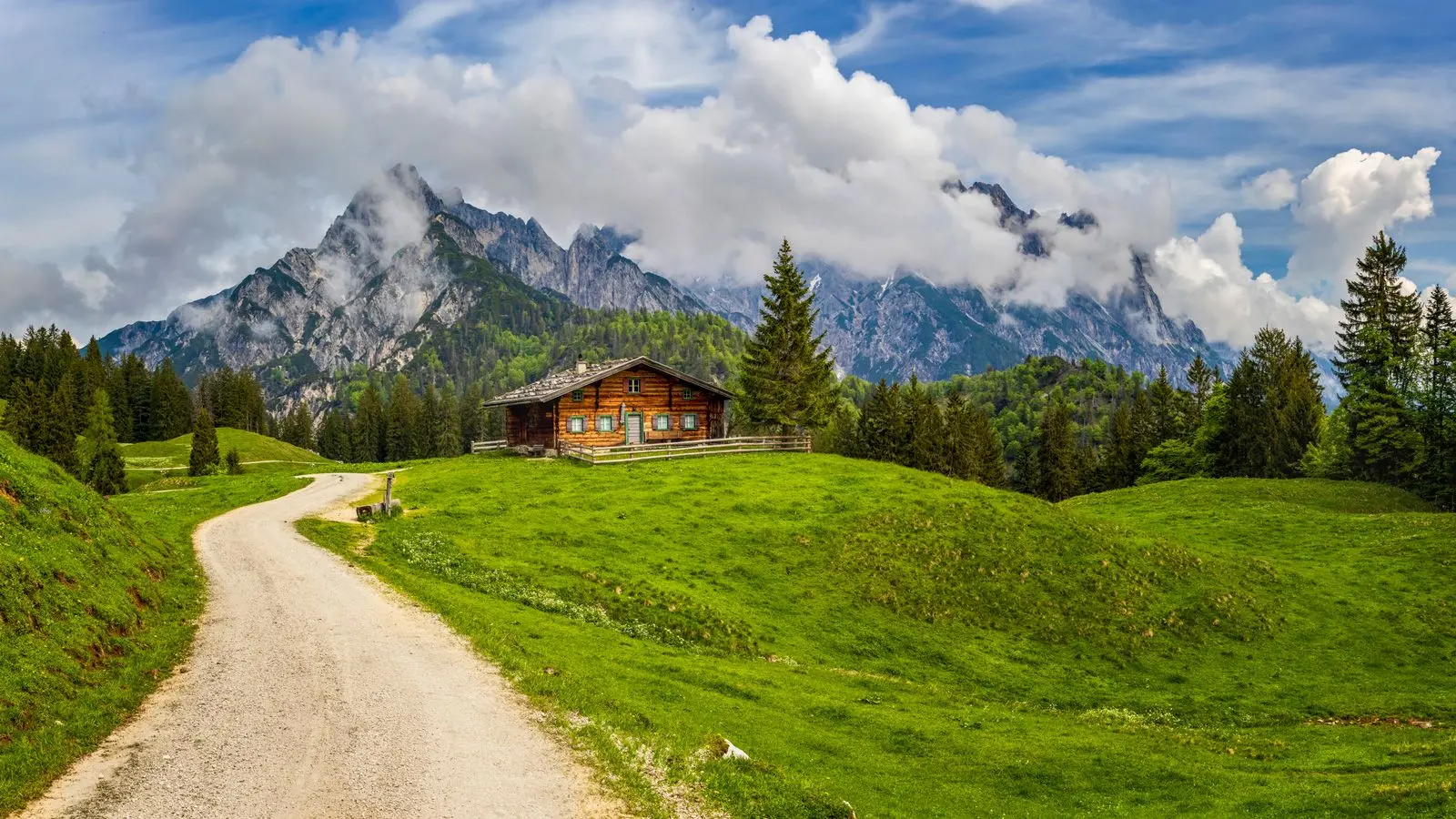
The travel industry is undergoing a significant change on a global scale. Crowded beach resorts and predictable luxury hotels are losing ground to a potent new movement known as the “Altitude Shift.” Millions of passengers are expected to increase in 2026 due to a shared desire for digital detoxes, physical wellness, and deliberate slow travel. The demand for mountain lodging is at an all-time high, ranging from opulent off-grid homes to modest, high-altitude backcountry shelters. Here is all the information you need to navigate mountain huts and cabin rentals this year, whether you are an avid hiker planning a multi-day route or a distant worker trying to decompress. 📈 Why 2026 Will See a Massive Increase in Mountain Travel The rise in mountain lodging indicates a fundamental change in the way we travel, not just a fleeting summer trend. The mountain boom of 2026 is being driven by several major trends: “Touch Grass” Phenomenon: Extreme detachment has become a societal fixation thanks to social media platforms. This year, searches for lodging close to untamed national parks have increased by more than 35%. The Hut-to-Hut Surge: Visitors now want to live in mountains rather than merely gaze at them. Compared to two years ago, reservations for conventional high-altitude lodge-to-lodge hiking tours have increased by more than 170%. The Influx of Solo Nomads: Working remotely has changed. Mountain cottages are being replaced by beachfront cafes by digital nomads. The Great Smoky Mountains and other popular mountain sites have seen a startling 135% rise in reservations from lone travelers.
🏔️ Mountain Huts vs. Cabin Rentals: Which is Right For You?
While both options get you closer to nature, they offer drastically different experiences. Understanding the distinction is crucial before you pack your bags.
⛺ Mountain Huts: The Backcountry Back-to-Basics
Mountain huts are designed for hikers, mountaineers, and outdoor purists. Typically located at high elevations and only accessible by foot, they emphasize community, simplicity, and location.
-
- The Vibe: Communal, rugged, and deeply social. You will share stories with global hikers over shared dinners.
- Amenities: Shared dormitory sleeping spaces, communal bathrooms, and simple, hearty meals provided by a hut keeper. There is rarely Wi-Fi, and electricity is often limited to solar power.
- Best For: Thru-hikers, peak baggers, and those looking to completely unplug.
🏡 Cabin Rentals: Private, Cozy, and Self-Sustained
Cabin rentals focus on privacy, comfort, and autonomy. Located anywhere from valley floors to secluded ridges, they serve as a personal basecamp.
-
- The Vibe: Intimate, peaceful, and relaxing.
- Amenities: Private bedrooms, fully equipped kitchens, hot tubs, high-speed internet (increasingly powered by satellite networks like Starlink), and private decks.
- Best For: Remote workers, families, couples, and travelers who want nature by day and luxury by night.
🌐 Where to Book: The World’s Top Mountain Lodging Networks
Securing a spot in 2026 requires knowing where to look. Because mountain ecosystems are protected, lodging supply is strictly limited. These four premier global networks are driving the highest traffic and bookings this year:
1. The European Alps: Huetten Alpine Rentals
For traditional alpine charm, European chalets, and ski-in/ski-out huts, Central Europe remains unmatched. This platform is ideal for booking self-catering cabins, rustic family huts, and luxury lodges across Austria, Germany, and Switzerland.
-
- Insider Tip: European huts along major routes (like the Tour du Mont Blanc) often book out six to nine months in advance.
2. North America: 10th Mountain Division Hut Association
Nestled deep in the Colorado Rockies, this iconic backcountry network manages over 30 high-altitude huts connected by 350 miles of pristine trails. It is the gold standard for off-grid American alpine travel. You can track openings and check live booking availability online.
-
- Insider Tip: These huts require rigorous hiking or ski-touring to reach. Be prepared for zero cell service and wood-stove heating.
3. Scandinavia: Swedish Tourist Association (STF)
If vast, arctic wilderness is your goal, Sweden’s legendary King’s Trail (Kungsleden) offers an incredible hut-to-hut infrastructure. Their mountain cabins network allows you to hike for days without carrying a tent, offering cozy, eco-friendly shelter spaced roughly a day’s hike apart.
-
- Insider Tip: No reservations are strictly required for floor space if you arrive on foot, making it perfect for flexible, spontaneous trekkers.
4. Iceland: Ferðafélag Íslands (FI)
Iceland’s volcanic highlands feature some of the most surreal terrain on earth. The Laugavegur trail is world-famous, and its mountain huts are highly coveted. To secure a bed in these remote, fragile ecosystems, travelers use the central allocation matrix online.
-
- Insider Tip: Due to Iceland’s unpredictable weather, staying in a hut here is a matter of safety just as much as comfort.
🎒 Essential Packing Tips for Your 2026 Mountain Escape
Heading into the mountains requires smarter packing than a standard vacation. Keep these three rules in mind:
-
- Layering is Life: Mountain weather changes in minutes. Always pack a moisture-wicking base layer, an insulating fleece middle layer, and a waterproof windbreaker shell.
- Power & Navigation: Even if your cabin has Wi-Fi, the trails do not. Download offline maps (like AllTrails or Gaia GPS) and bring a high-capacity portable power bank.
- Hut Etiquette Essentials: If staying in a communal mountain hut, always bring a lightweight sleeping bag liner (silk or cotton), a headlamp with a red-light mode (so you don’t wake up the dorm room), and compact earplugs.
🏔️ Final Thoughts
The mountain huts and cabin rentals of 2026 offer more than just a place to sleep—they offer an antidote to modern burnout. Whether you choose the communal camaraderie of a high-alpine hut or the secluded luxury of a valley cabin, stepping away from the screen and into the altitude is the ultimate way to travel this year.






Leave a Reply