


The internet never sleeps. Every second, millions of people type queries into search bars, scroll through social media feeds, and click on breaking news links. In this hyper-accelerated digital landscape, staying informed can feel like trying to drink from a firehose. Information emerges, peaks, and vanishes within hours.
To navigate this chaos, a new phrase and concept has taken center stage among digital natives, marketers, and casual web surfers alike: nowtodaytrending.
More than just a catchy phrase, it represents our collective obsession with the present moment. It is the digital manifestation of the cultural zeitgeist. Whether you are looking for geopolitical updates, sports scores, viral memes, or tech breakthroughs, understanding what is trending right now, today is the key to staying relevant.
1. The Anatomy of Modern Trends: Speed and Scale
A decade ago, a news story or viral video could dominate the cultural conversation for weeks. Today, the lifecycle of a trend is measured in hours, sometimes even minutes. The term encapsulates this rapid shift. It combines three distinct temporal concepts:
-
- Now: The immediate, real-time second.
- Today: The 24-hour narrative arc.
- Trending: The algorithmic momentum pushing a topic forward.
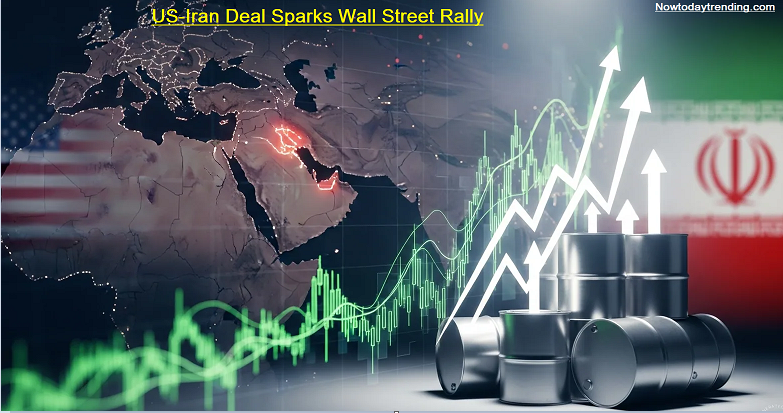
When these three elements align, they create massive waves of digital traffic. Take today’s global news landscape, for example. We see escalating geopolitical tensions, such as fresh friction and military posturing in the Middle East, commanding the world’s attention. Simultaneously, sports fans are driving millions of searches around the FIFA World Cup semifinals, dissecting every move of prodigies like Spain’s Lamine Yamal.
At the exact same time, extreme weather events—like historic heatwaves in Europe and severe El Niño flooding in East Africa—are trending because they directly impact human lives. A single platform or search term that aggregates these wildly different topics provides immense value to the modern user.
2. Why We Are Obsessed with the “Right Now”
Psychologists and digital anthropologists point to several reasons why humans are fiercely drawn to real-time trending data.
The FOMO Effect
The Fear of Missing Out (FOMO) is no longer just about social events; it applies to information. In a connected world, being unaware of a major news event, a viral pop-culture moment, or a financial market shift can make an individual feel isolated or left behind.
The Need for Efficiency
With thousands of media outlets competing for attention, consumers suffer from decision fatigue. Trending lists act as a democratic filter. If millions of people are looking at a specific piece of news, our brains tag it as inherently valuable, saving us the time of hunting for important updates manually.
The Search for Truth in Real-Time
During major breaking events—be it an election, a sports final, or a global crisis—traditional media often takes time to verify, format, and publish reports. Trending search hubs allow users to see raw, real-time data, eyewitness reports, and immediate public reactions as they unfold on the ground.
3. The Multi-Niche Domain: From Geopolitics to Pop Culture
What makes a concept like “nowtodaytrending” incredibly powerful is its fluidity. It does not belong to a single industry. Instead, it acts as an umbrella for multiple distinct niches that dictate global conversation.
                  ┌───────────────────────────────┐
                  │       NOWTODAYTRENDING        │
                  └───────────────┬───────────────┘
         ┌────────────────────────┼────────────────────────┐
         ▼                        ▼                        ▼
┌─────────────────┐      ┌─────────────────┐      ┌─────────────────┐
│ Global News &   │      │ Sports & Entertainment  │      │ Digital Culture │
│ Geopolitics     │      │ World Cup, Wimbledon,   │      │ Viral Searches, │
│ Crisis Alerts   │      │ Pop Culture             │      │ Utility Queries │
└─────────────────┘      └─────────────────┘      └─────────────────┘
Global News and Geopolitics
Hard news forms the bedrock of daily trends. When political shifts occur, or when security alerts happen—such as recent high-profile arrests or diplomatic standoffs—the internet experiences massive search spikes. People turn to search engines not just out of curiosity, but out of a fundamental need for awareness and safety.
Sports and Entertainment
Sports are a universal language. Major tournaments like the World Cup or the finals at Wimbledon draw billions of eyeballs. The trending topics in this niche are highly emotional, driven by fan passion, historic victories, and the rise of young superstars who capture the public imagination.
Digital Culture and Utility
Interestingly, some of the highest-volume trending searches are the simplest. Millions of people daily search for basic utilities like “what time is it” or “what day is today.” Alongside these utility searches are the viral phenomena—the memes, the TikTok challenges, and the emerging web platforms that capture the attention of internet subcultures before breaking into the mainstream.
4. How Marketers and Creators Leverage Real-Time Trends
For businesses, journalists, and content creators, understanding real-time trends is not just an intellectual exercise—it is a commercial necessity. This practice, known as trendjacking, involves aligning a brand’s content or marketing messages with a topic that is currently receiving a massive volume of public attention.
-
- Content Relevance: Algorithms on platforms like Google, TikTok, and X (formerly Twitter) heavily favor content that utilizes trending keywords. By identifying what is hot today, creators can tailor their articles, videos, and podcasts to match what users are actively seeking.
- Search Engine Optimization (SEO): Incorporating high-volume search terms into high-quality, human-written content allows websites to capture immediate organic traffic.
- Brand Agility: Companies that can pivot their marketing campaigns to reference current events in a witty, respectful, or informative manner build deeper connections with their audience. It shows that the brand is alive, active, and paying attention to the same world their customers live in.
However, trendjacking requires a human touch. Automated bots often miss the nuance of a trend, leading to tone-deaf marketing. Genuine, human-written analysis ensures that a brand engages with a trend appropriately, especially when dealing with sensitive global news or crises.
5. The Future of Trend Tracking
As artificial intelligence and machine learning continue to evolve, the way we consume trending information will transform. We are moving away from static listicles and moving toward predictive analytics. Future platforms will not just tell us what is trending now; they will analyze data patterns to predict what will trend tomorrow.
Despite these technological advancements, the core driver of trends remains entirely human. Algorithms only reflect back to us what we choose to look at. A trending topic is a mirror of human curiosity, fear, excitement, and desire.
Conclusion: Riding the Digital Wave
Navigating the modern internet requires an anchor. Whether you are a casual surfer looking to stay informed about global events, a sports fan tracking your favorite athlete, or a digital marketer building a brand, keeping your finger on the pulse of real-time data is indispensable.
The digital landscape will continue to move at a breakneck pace. New stories will break, records will be shattered, and the cultural conversation will pivot in unexpected directions. By understanding the mechanics of what is trending today, we don’t just watch the digital wave pass us by—we learn how to ride it.









Leave a Reply